
Get Dry Well Installation in Beaver County, PA
Dry well installation services help property owners in Beaver County, PA, and nearby areas address drainage issues and install systems for effective groundwater management.
Dry well installation services are a practical solution for property owners in Beaver County, PA seeking effective management of excess water runoff. Installing a dry well helps prevent water pooling around foundations, driveways, and walkways, reducing the risk of structural damage and soil erosion. This approach enhances the overall safety and functionality of a property by directing water away from critical areas, especially during heavy rains or snowmelt, ensuring that outdoor spaces remain safe and usable.
In addition to improving safety and drainage, dry well systems offer benefits such as increased durability and reduced maintenance needs. Properly installed dry wells are designed to last for many years, providing a reliable solution that minimizes ongoing upkeep. They also contribute to curb appeal by maintaining a neat, well-drained landscape, which can enhance the property's overall appearance and value. Property owners in Beaver County considering dry well installation often seek these advantages for long-term comfort and peace of mind.
- Dry well installation services are essential for properties in areas with limited access to municipal water sources.
- They are often needed when properties lack a reliable underground water supply or experience frequent well failures.
- Residential and commercial properties in rural regions may require dry well systems to manage excess stormwater runoff.
- Dry well installation can be a solution for managing water drainage in areas prone to flooding or poor soil absorption.
- Local contractors can assist with installing dry wells to support effective water management and prevent property damage.
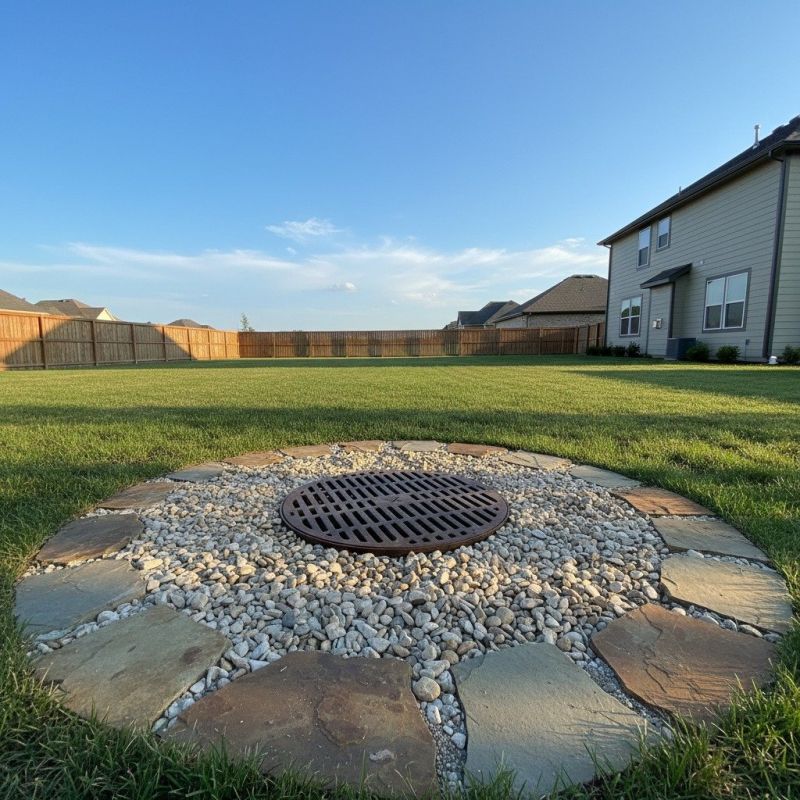
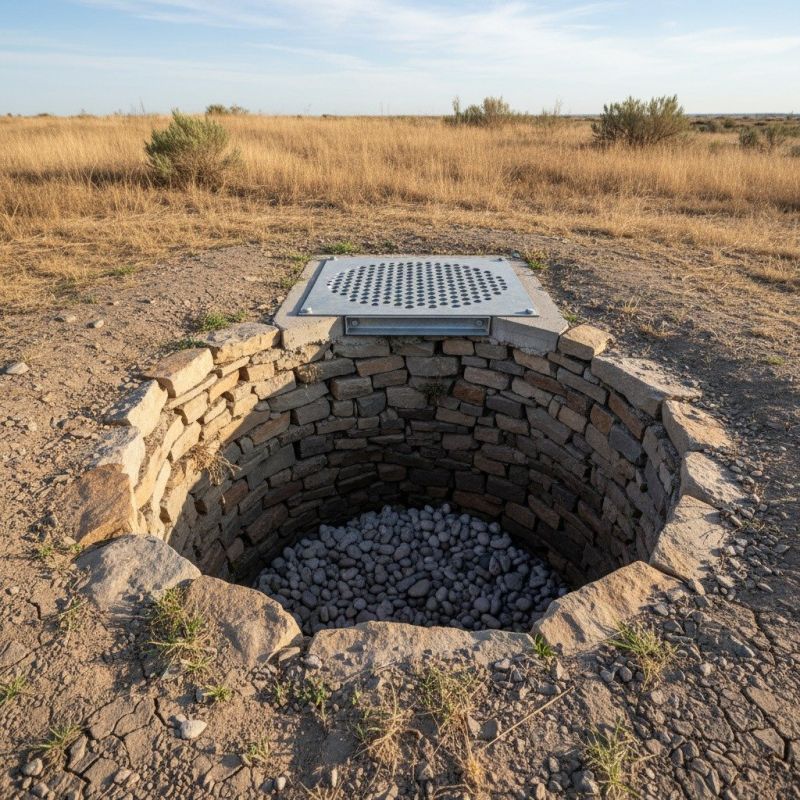
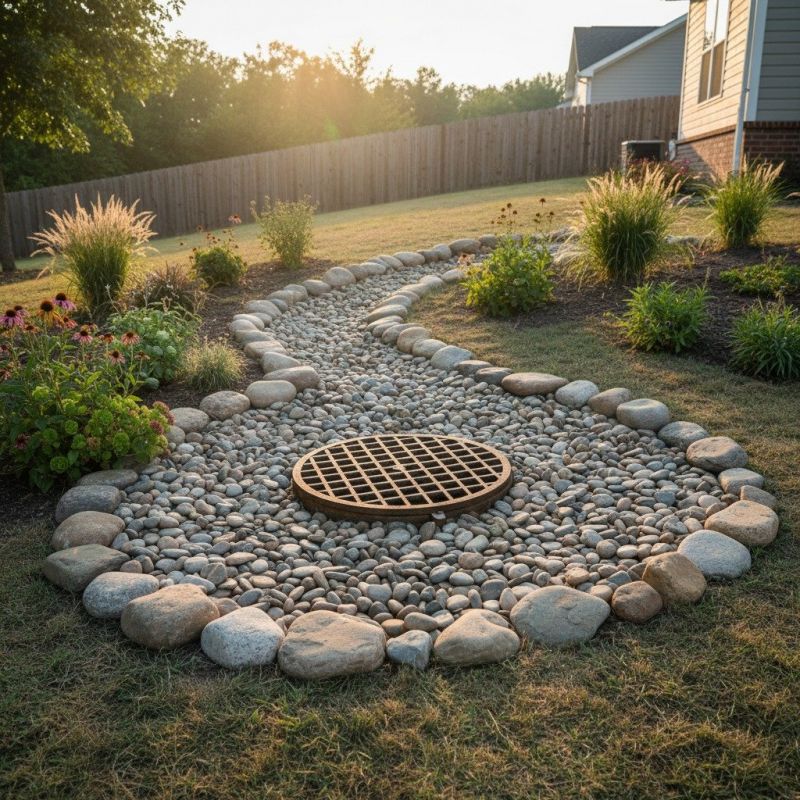
Dry well installation services involve setting up underground drainage systems designed to manage excess water runoff. This process typically includes excavating a suitable location, installing a perforated pipe, and placing a gravel or stone bed to facilitate water absorption. The goal is to redirect surface or groundwater away from foundations, basements, or other structures that could be damaged by water accumulation. Proper installation ensures that water is diverted efficiently, helping to prevent issues related to excess moisture and water pooling on the property.
These services address common problems associated with poor drainage, such as basement flooding, foundation erosion, and landscape erosion. When properties experience frequent water accumulation during heavy rains or snowmelt, a dry well can serve as an effective solution to alleviate these issues. By providing an outlet for excess water, dry wells help maintain the integrity of the property’s landscape and foundation, reducing the risk of costly repairs and long-term damage caused by water intrusion.
Dry well installation is frequently used on residential properties, especially those with sloped yards or inadequate natural drainage. Homes with basements or crawl spaces that are prone to flooding often benefit from this service. Additionally, commercial properties, agricultural land, and properties with extensive landscaping may also utilize dry wells to manage stormwater runoff effectively. The versatility of dry wells makes them suitable for a variety of property types that require efficient water management solutions.
Professionals offering dry well installation services typically assess the property's specific drainage needs and recommend the most appropriate system size and placement. They handle the excavation, installation, and backfilling processes to ensure the dry well functions properly. Property owners interested in improving drainage and preventing water-related issues can contact local service providers to explore options tailored to their property’s requirements. Proper installation by experienced professionals can contribute to more effective water management and long-term property protection.
The overview below groups typical Dry Well Installation projects into broad ranges so you can see how smaller, mid-sized, and larger jobs often compare in Beaver County, PA.
In many markets, a large share of routine jobs stays in the lower and middle ranges, while only a smaller percentage of projects moves into the highest bands when the work is more complex or site conditions are harder than average.
Material Costs - The cost of materials for dry well installation typically ranges from $300 to $1,000, depending on the size and type of materials used. Larger or more durable materials can increase the overall expense. Variations depend on local supplier prices and project specifications.
Labor Expenses - Labor costs for installing a dry well generally fall between $1,000 and $3,000. This includes excavation, installation, and backfilling, with prices influenced by site accessibility and project complexity. Rates may vary based on local contractor rates.
Permitting and Inspection - Permits and inspections can add $100 to $500 to the total cost, depending on local regulations. Some areas require specific approvals, which may involve additional fees or documentation processes. Costs vary by jurisdiction.
Additional Equipment or Services - Extra services such as grading, drainage planning, or additional piping may range from $200 to $1,000. These costs depend on project scope and site conditions, with some providers including these in comprehensive quotes. Variations are common based on individual project needs.
Actual totals will depend on details like access to the work area, the scope of the project, and the materials selected, so use these as general starting points rather than exact figures.
Dry Well Installation services involve setting up underground water collection systems to manage excess water runoff effectively. Local contractors can assist with proper installation tailored to specific property needs.
Drainage System Setup projects include installing dry wells as part of comprehensive drainage solutions for residential or commercial properties. Pros can evaluate site conditions to recommend suitable options.
Water Management Solutions services encompass the installation of dry wells to help control groundwater levels and prevent flooding. Experienced providers can determine the best placement for optimal performance.
Subsurface Water Control projects focus on installing underground systems like dry wells to divert water away from foundations. Local specialists can ensure proper integration with existing drainage infrastructure.
Stormwater Drainage Services may include dry well installation as a method to manage stormwater runoff efficiently. Professionals can customize systems based on property size and water flow requirements.
Foundation Drainage Assistance involves installing dry wells to reduce water pressure around building foundations. Local experts can assess site conditions to recommend effective drainage solutions.
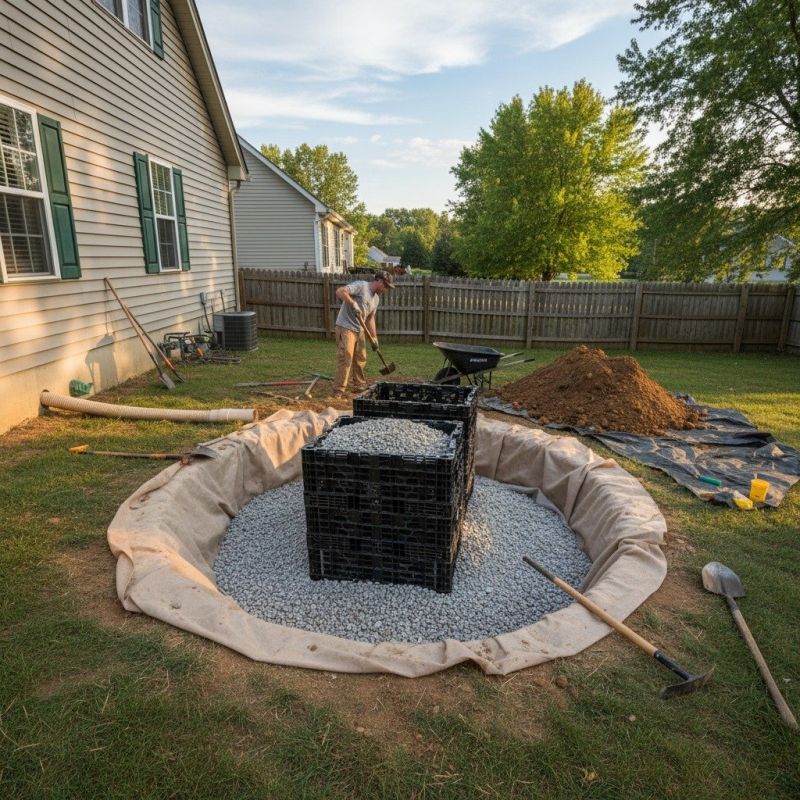
When selecting a professional for dry well installation, it is important to consider the experience of the service providers in the local area. Experienced contractors are more likely to understand the specific soil conditions, local regulations, and best practices for installation. Homeowners should look for pros who have a proven track record with similar projects, as this can help ensure the work is completed efficiently and effectively. Gathering information about a contractor’s background and previous projects can provide insight into their familiarity with dry well systems and their ability to handle unique site challenges.
Clear communication and well-defined written expectations are essential when working with local pros. Homeowners should seek providers who are transparent about their process, materials, and the scope of work. Establishing detailed expectations upfront can help prevent misunderstandings and ensure that both parties are aligned on project goals. It’s advisable to inquire about how the contractor plans to approach the installation, what materials will be used, and what the projected timeline is, so that expectations are clearly documented and understood.
Reputable references and positive feedback from previous clients can serve as indicators of a reliable service provider. Homeowners may want to ask for references or look for reviews that highlight the contractor’s professionalism, quality of work, and adherence to schedules. Good communication from the contractor throughout the project is also a key factor in a successful experience. Pros who respond promptly, answer questions thoroughly, and keep homeowners informed about progress can contribute to a smoother installation process. Since the site connects users with local options, it’s recommended to evaluate these aspects to find a professional suited to the specific needs of the dry well installation project.
Property owners in Beaver County, PA use Dry Well Installation services for practical projects around their homes and businesses. The sections below highlight everyday jobs and straightforward project options.
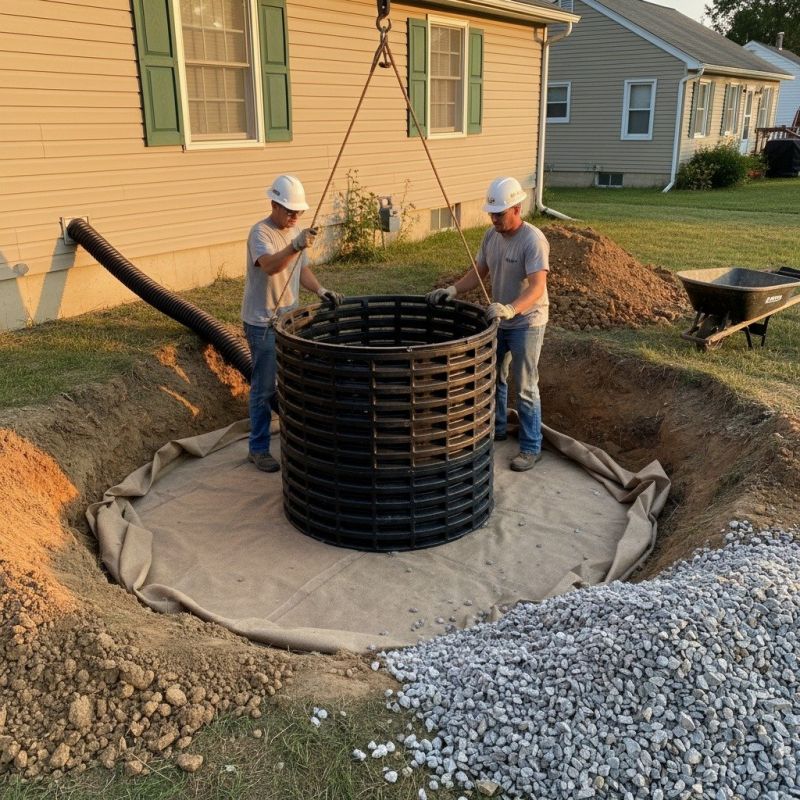
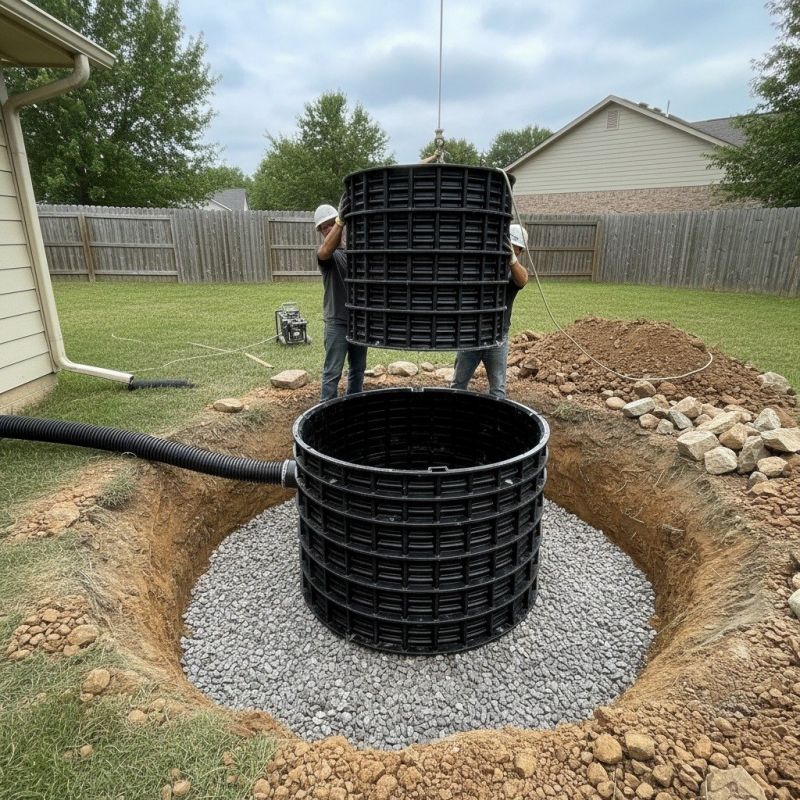
Dry well installation services are often sought by property owners in Beaver County, PA, who are dealing with poor drainage or inadequate water runoff management. When rainwater or excess groundwater accumulates around a property, it can lead to soggy lawns, foundation issues, or basement flooding. Installing a dry well provides a practical solution by helping to divert excess water underground, reducing surface pooling and protecting the property’s structural integrity.
Homeowners may also look for dry well services when planning landscape improvements or dealing with water collection problems caused by improper grading. In some cases, existing drainage systems may need to be upgraded or expanded to handle increased water flow. Local contractors can assess specific site conditions and recommend suitable dry well options to improve drainage efficiency and prevent water-related issues around residential or commercial properties.
What is a dry well? A dry well is an underground structure designed to manage excess water runoff by allowing it to disperse safely into the soil.
Why might someone need a dry well installation? Dry wells are often installed to prevent water pooling around foundations, reduce erosion, or manage stormwater runoff effectively.
How do local service providers install dry wells? Professionals typically excavate the area, install the dry well unit, and backfill, ensuring proper drainage and stability.
Are dry wells suitable for all property types? Dry wells are generally suitable for many properties, but a consultation with local pros can determine if it’s the right solution.
What factors influence the cost of dry well installation? Costs can vary based on the size of the dry well, soil conditions, and site accessibility, with local contractors providing detailed assessments.
Dry Well Installation Services - Local service providers can assist with installing dry wells to help manage excess groundwater and improve drainage around properties.
Drainage System Planning - Professionals can evaluate site conditions and recommend suitable dry well solutions tailored to specific landscape needs.
Dry Well Maintenance - Service providers offer ongoing inspection and maintenance to ensure dry wells function effectively over time.
Custom Drainage Solutions - Local experts can design and install drainage systems that incorporate dry wells to prevent flooding and water accumulation.
Considering Dry Well Installation for a property in Beaver County, PA? The sections above highlight common project types, practical options, and details that often shape the scope of work.
When you are ready, use the quote form to share a few details about your project. Local pros can review the basics and respond with options that match what you have in mind.